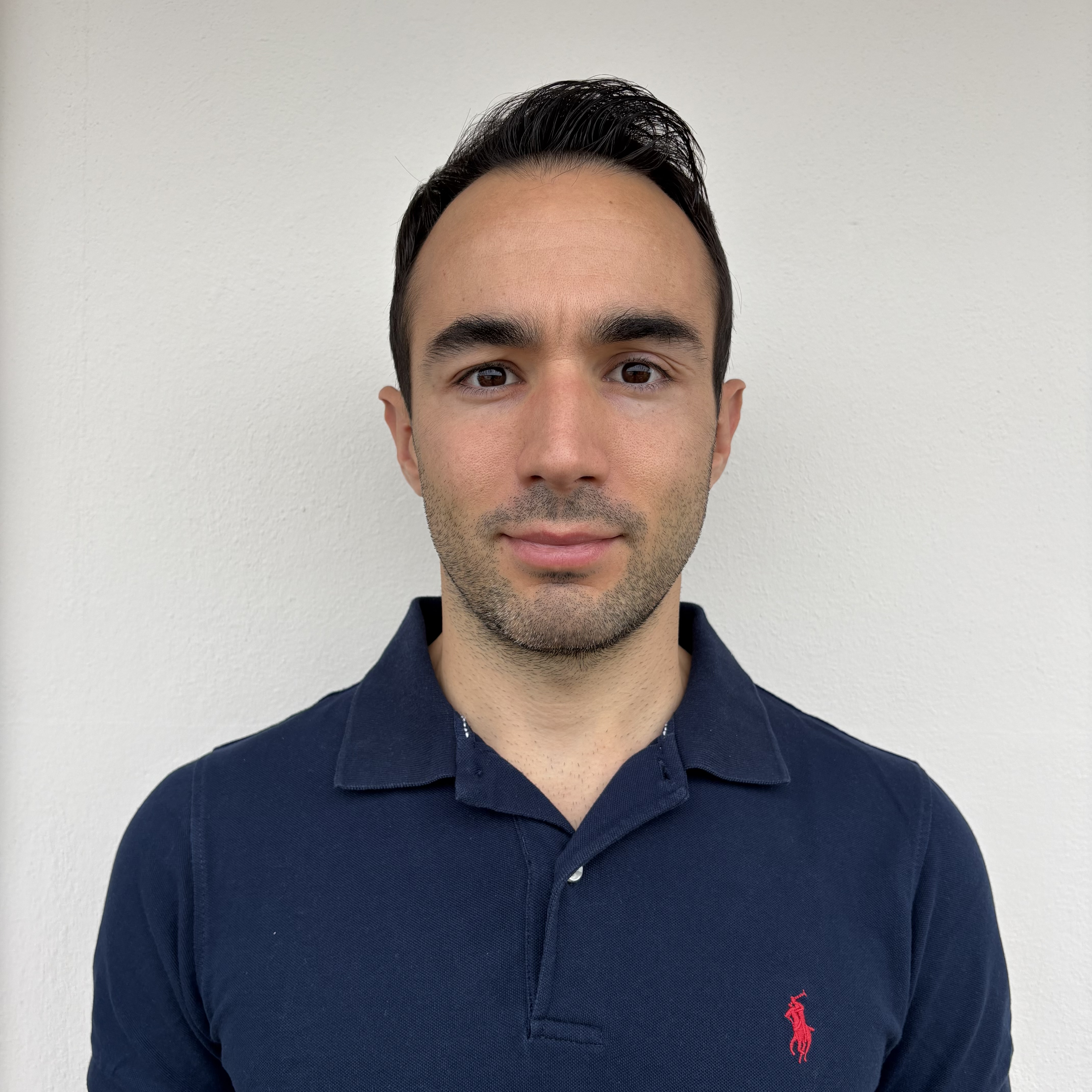
Originally from Verona, I hold a Bachelor and Master of Science in Aerospace Engineering from Politecnico di Milano. During my Master's thesis, I conducted research on the stability of wall-bounded flows with spanwise forcing with Prof. Maurizio Quadrio. Then I obtained a PhD in computational fluid dynamics from KTH Royal Institute of Technology in Stockholm, Sweden, under the supervision of Prof. Philipp Schlatter and Lect. Saleh Rezaeiravesh. We conducted space-adaptive direct numerical simulations to study transitional and turbulent shear flows. Currently, I am a Postdoctoral fellow at MIT working on vortex dynamics with Prof. Wim van Rees.
Daniele Massaro
Massachusetts Institute of Technology
Dept. of Mechanical Engineering
77 Massachusetts Avenue
Cambridge, MA 02139
USA
danmas@mit.edu

I've always had wide-ranging interests, from philosophy to the natural sciences. Whilst I ended up following a scientific career, I've kept up a real love of literature and the humanities; I still lose myself in classic novels whenever I can (you'll find a few recommendations below). At Politecnico di Milano, I built up a solid theoretical foundation, particularly through courses in functional and complex analysis, while also covering subjects like rotary wing dynamics, spacecraft orbits, and structural design for aerospace systems. But it was fluid mechanics that really grabbed me: there's something rather elegant about how it brings together maths, physics, and engineering.
My work in turbulence started with my Master's thesis on stability and transition delay. During my PhD, I delved into wall turbulence and coherent structures, using high-order spectral element methods and adaptive mesh refinement for direct numerical simulations. To get a deeper understanding, we combined established techniques like Proper Orthogonal Decomposition with cutting-edge approaches such as Shannon transfer entropy from information theory, uncovering mechanisms in transitional and turbulent flows.
I've also explored other topics, like wind turbine design, biological flows, adjoint-based optimisation, and vortex dynamics, and may well pursue them further in future.
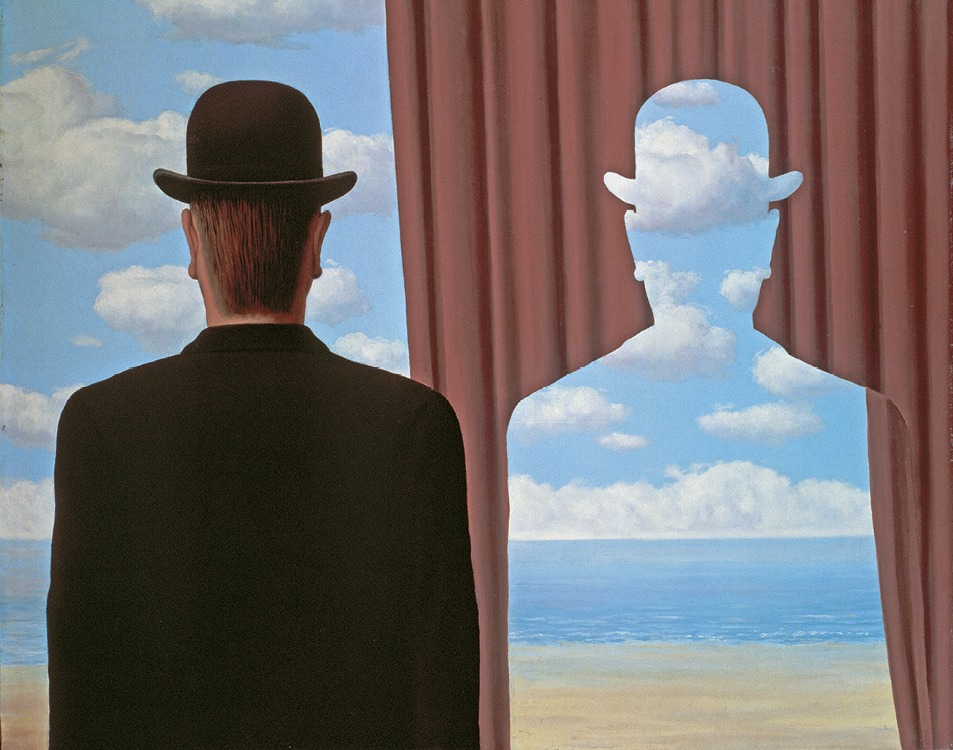
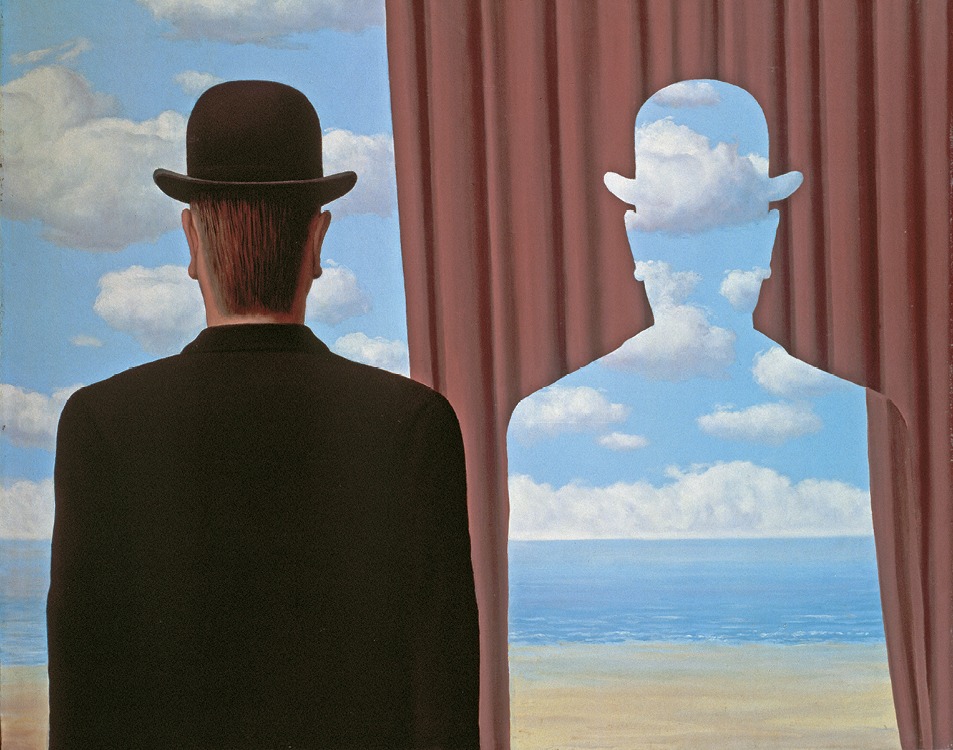
Братья Карамазовы (The Karamazov Brothers), Fyodor Dostoevsky, 1879-1880.
No copyright infringement intended. All rights belong to their respective owners.
Il fu Mattia Pascal, Luigi Pirandello, 1904.
No copyright infringement intended. All rights belong to their respective owners.
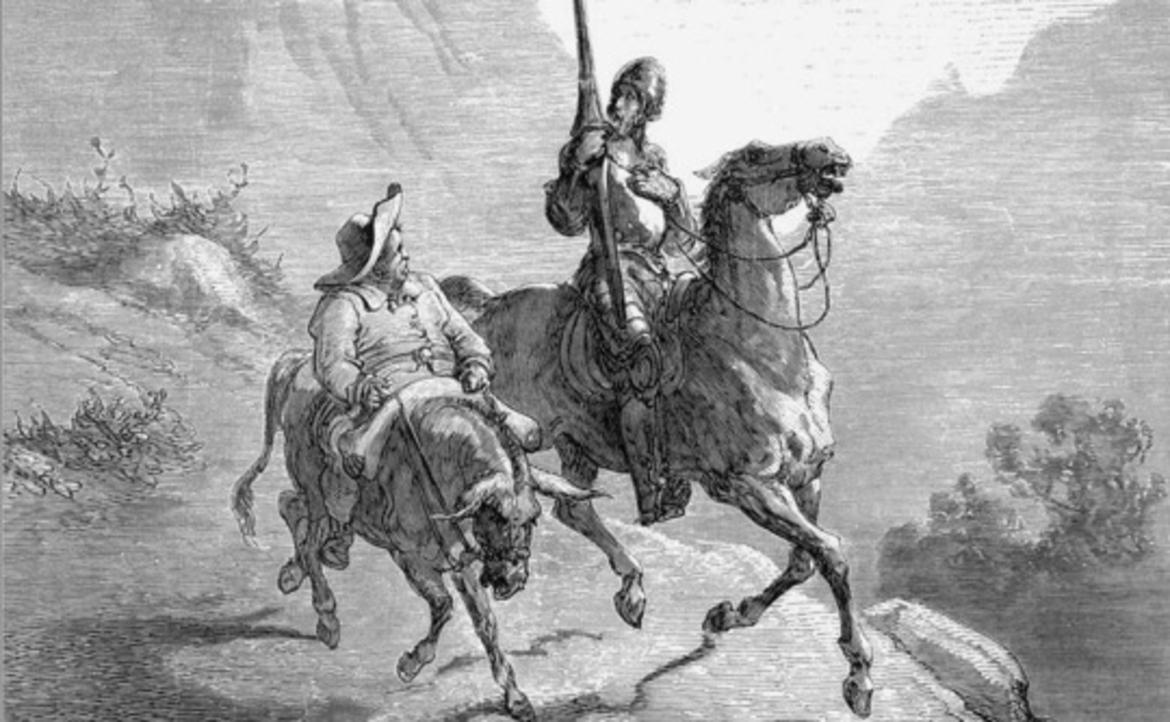
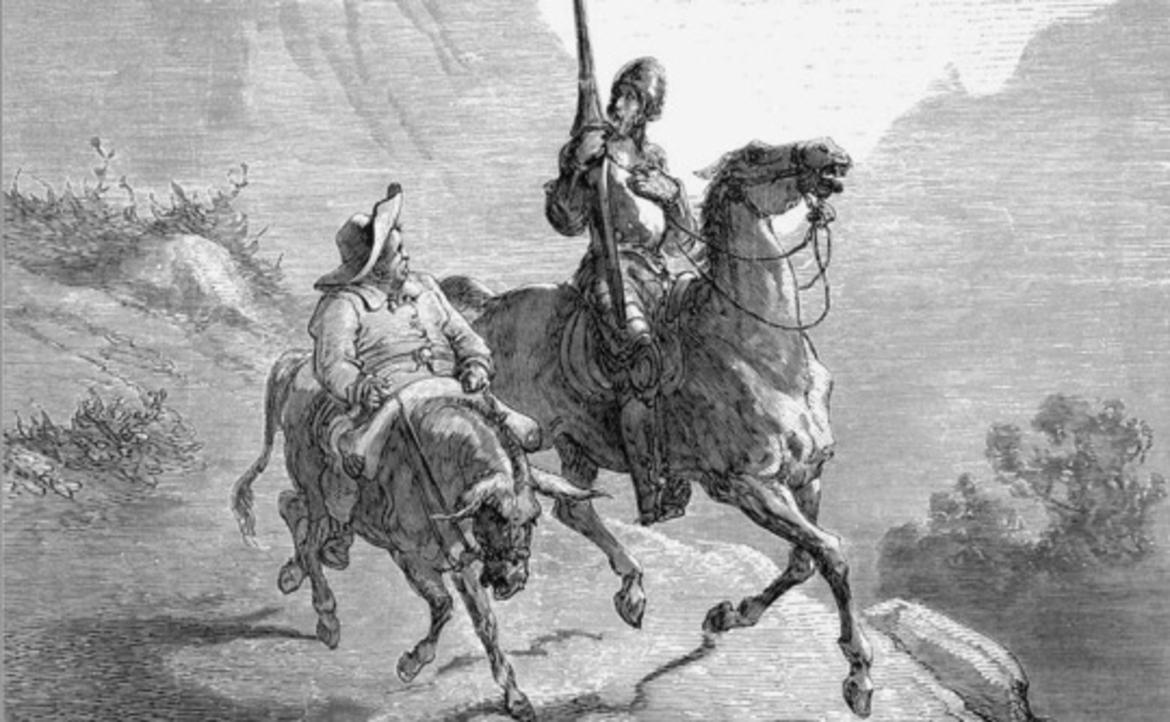
El ingenioso hidalgo don Quixote de la Mancha, Miguel de Cervantes, 1605 & 1615.
No copyright infringement intended. All rights belong to their respective owners.
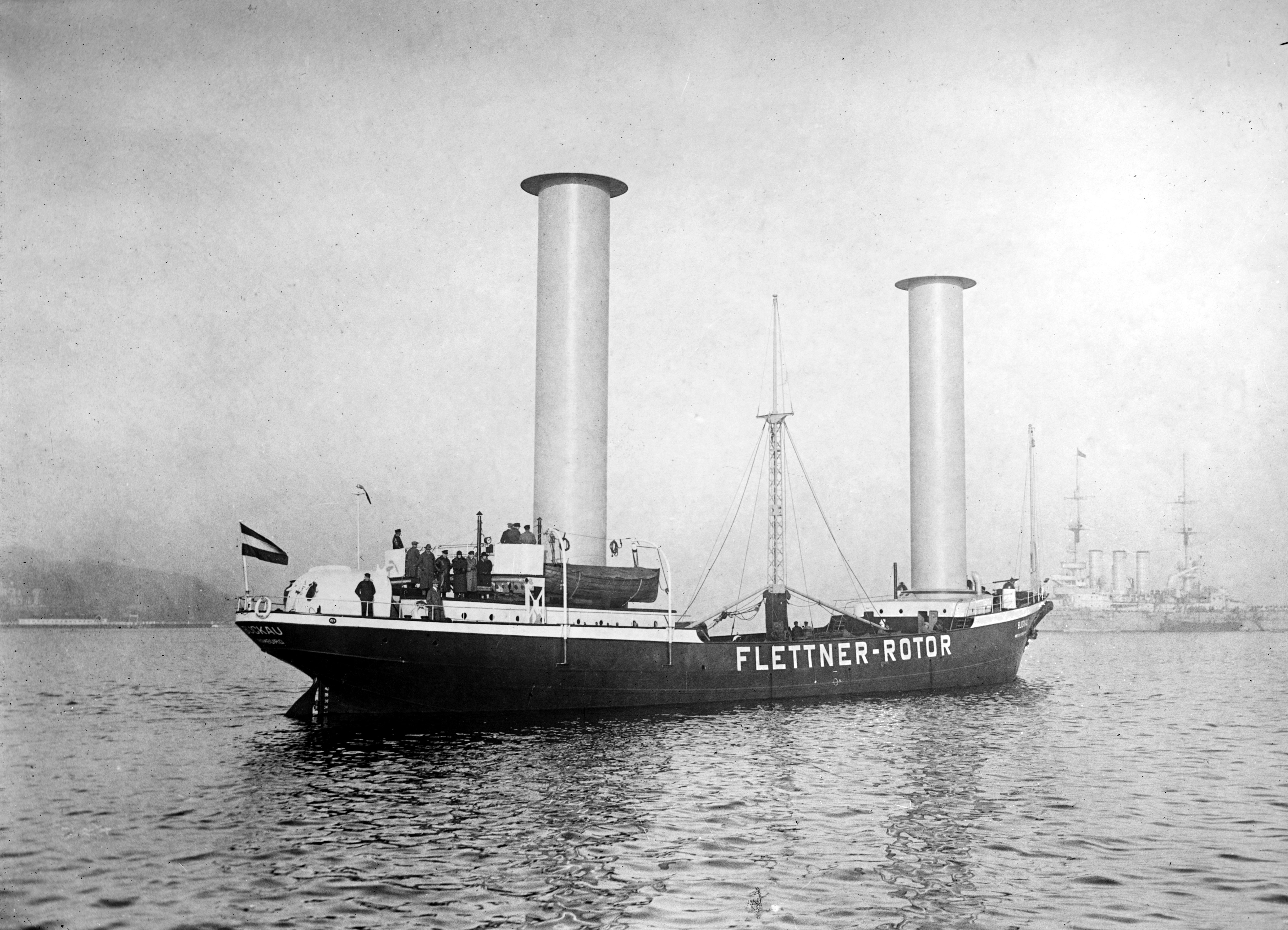
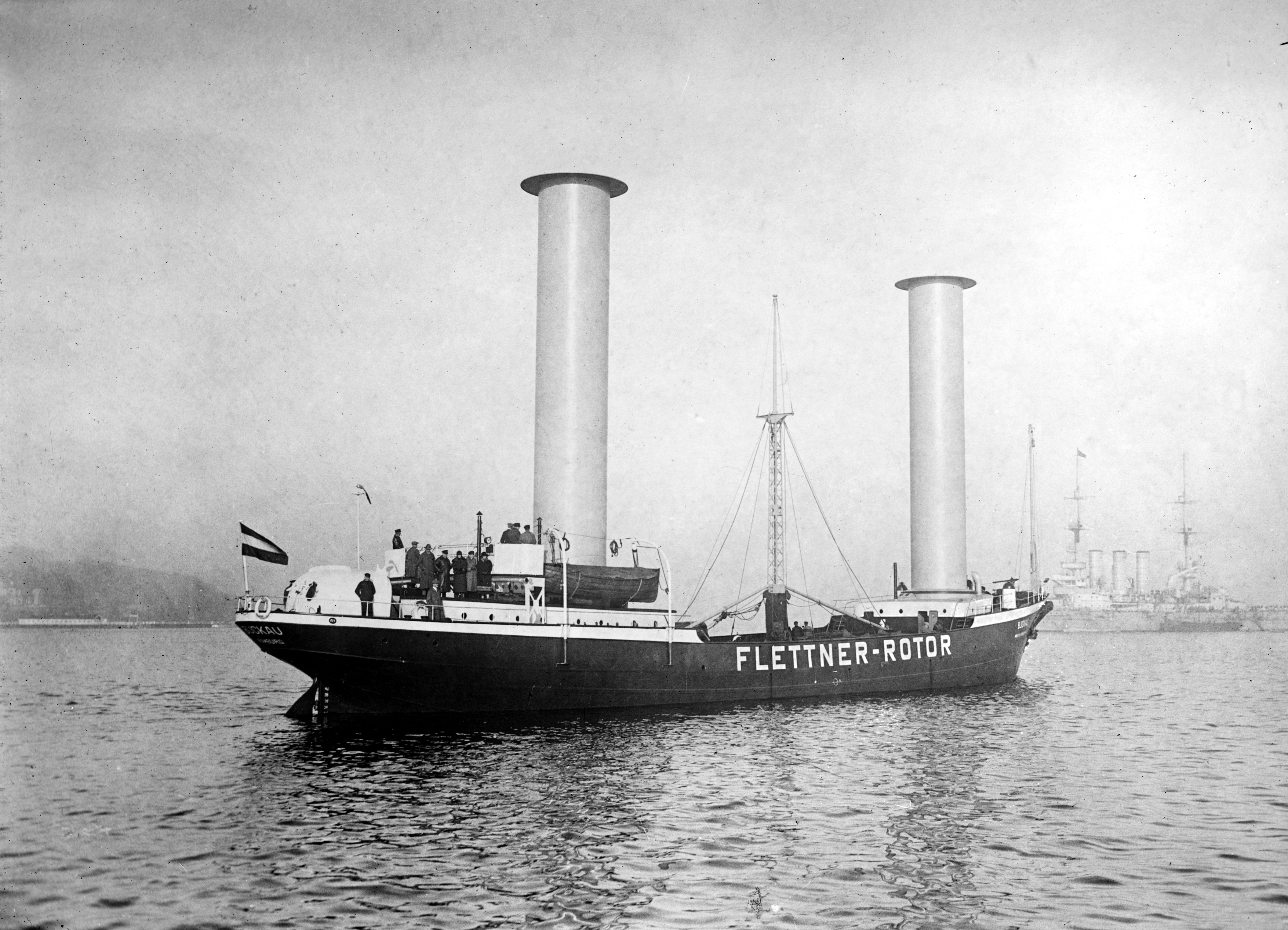
We perform the direct numerical simulation of the tubulent flow around a 3D Flettner rotor, wherein the rotor exploits the Magnus effect for harvesting the wind energy, saving up a significant amount of fuel.
The video was an entry at the Gallery of Fluid Motion 2022, an exhibition at the Annual Meeting of the American Physics Society, Division of Fluid Dynamics.
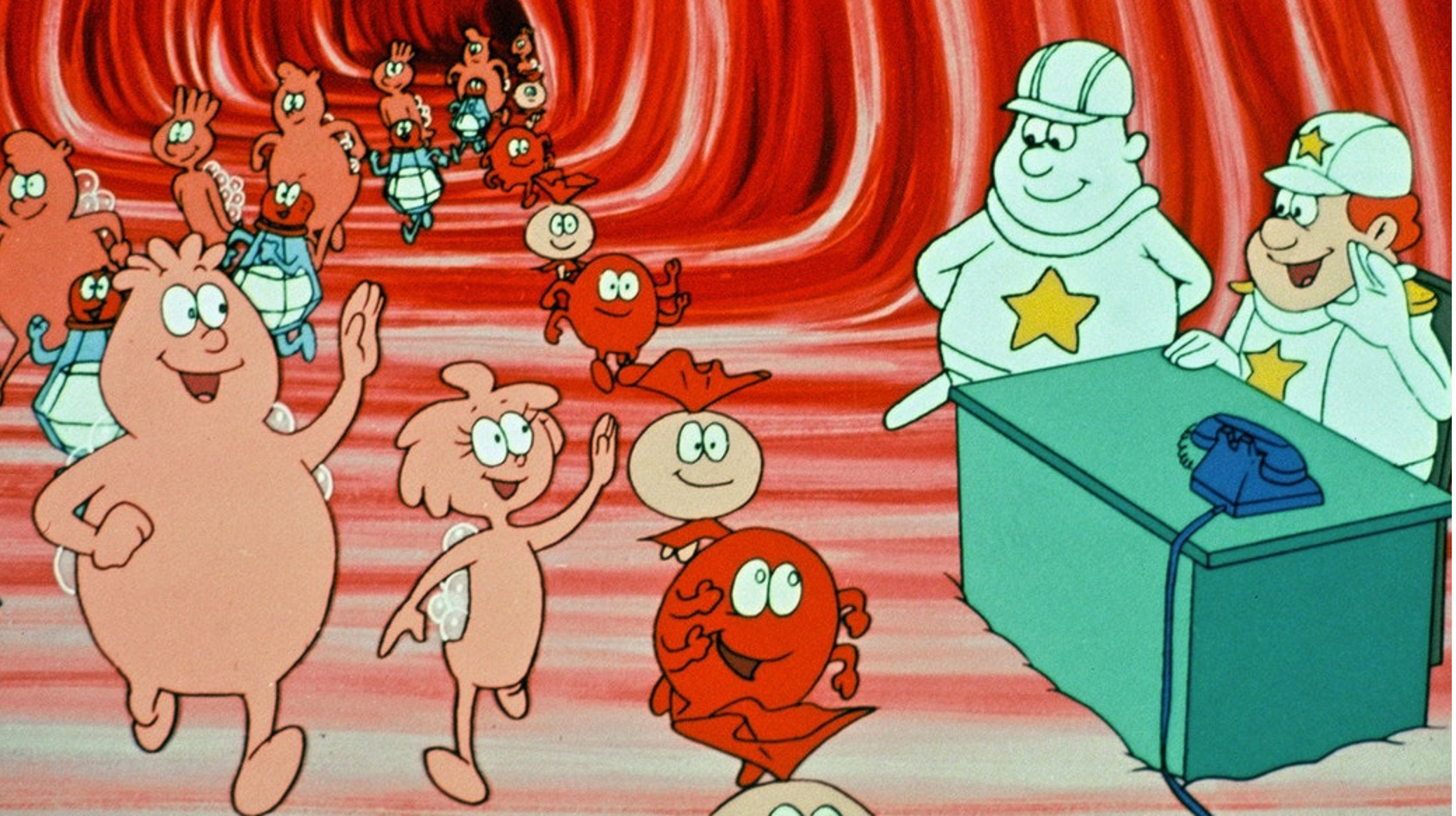
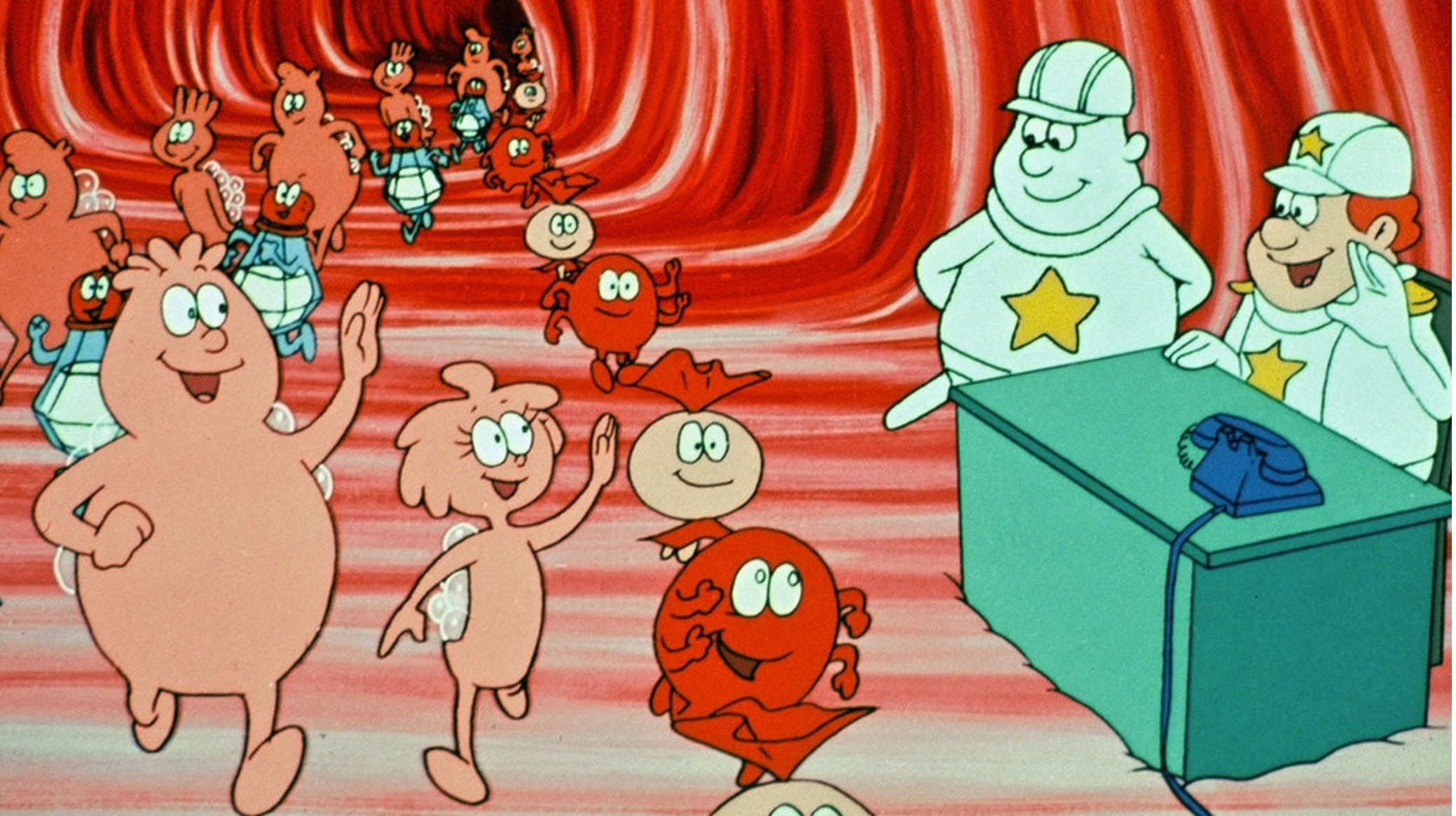
Our research on the instability mechanism in a 180°-bend in pipe flow was featured on the Science X network , as it clarifies how the transition from laminar to turbulent flow occurs in curved pipes, similar to that in the aortic arch. Understanding this transition is important, as turbulence in the aorta may be linked to various heart diseases.
The image is from the cartoon series Once Upon a Time...Life, where blood cells are depicted as animated characters to illustrate bodily functions in an engaging, accessible way.
No copyright infringement intended. All rights belong to their respective owners.